Part 2 for 5 Parts – The Extraction Hood That Nearly Cost Me Everything
After getting figuratively kicked in the teeth by that restaurant chain CFO in Part 1 (who told me my promised 50% energy savings only hit 20%), I was stunned. My numbers added up—yet his didn’t.
The confusion kept me up at night. What was I missing?
I doubled down: demanded every tenancy invoice, every meter reading, every landlord billing detail.
Sherlock Holmes was right—data, data, data. You can’t build bricks without clay.
Day 3: The tenancy invoice arrived. Four separate landlord electricity sub-meters for one tenancy. Two of them were monsters—over $3,600/month combined—while the restaurant’s direct bill looked clean.
Day 5: Frustration hit hard. No labels, no explanations. Where were these meters even located? I hunted through every switchboard, every utility cabinet in the building. Nothing.
Day 7: Reached out to the landlord’s rep. She had no clue. Referred me to the contract metering company.
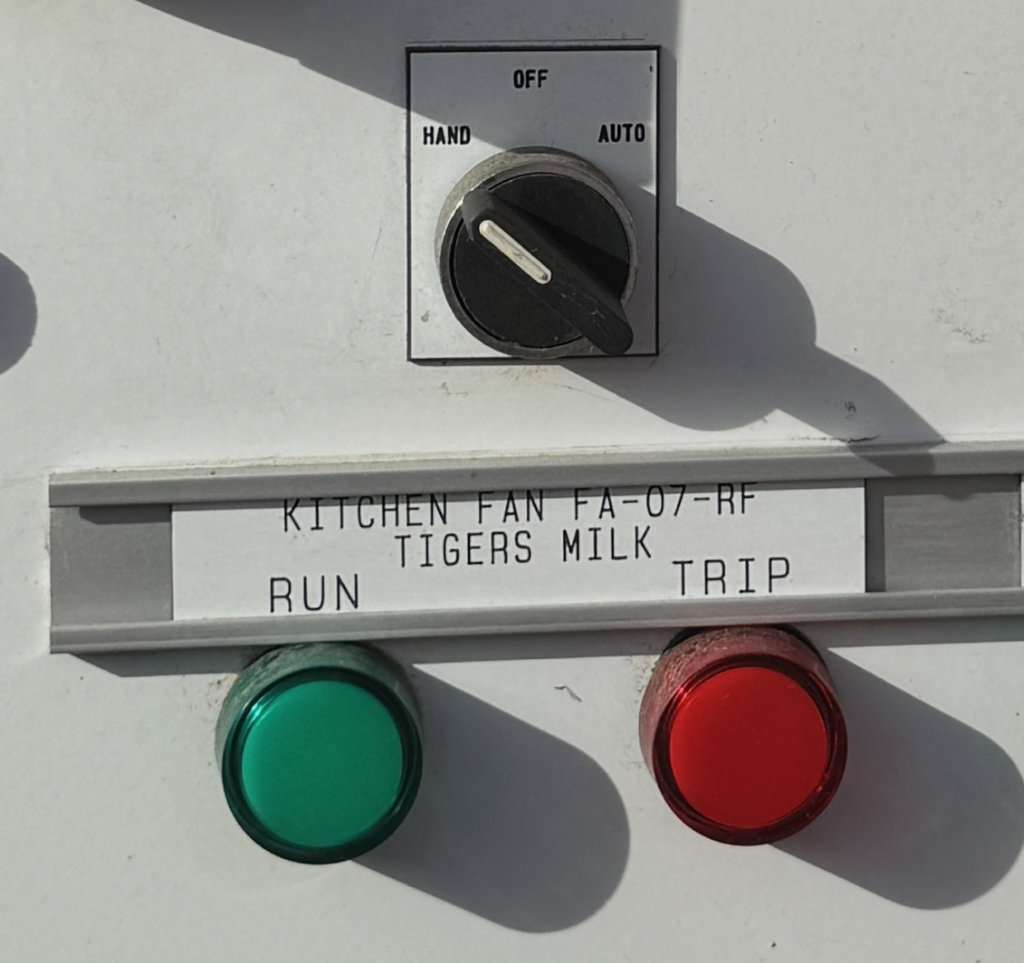
Day 9: Shock, mixed with hope. They knew exactly what each meter fed: one for the bulk air cooler in the basement… and another one? An 8kW extraction hood fan on the 8 storey building roof, with its panel locked in manual permanent “on” mode, running 24/7, 365 days a year.
Day 12: Site inspection with the utility team. I stood under that hood and watched it roar non-stop—even when the kitchen was closed. Oversized, fixed-speed fans pulling conditioned air out like a black hole, forcing the AC to fight harder. No wonder the landlord’s “set it and forget it” extraction hood setup was bleeding at least $18k in electricity alone a year.
Day 15: The real gut punch. The restaurant GM had zero control—no switch, no timer, no way to dial it down. Landlord-installed compliance gear, on the roof of an 8 story building servicing a restaurant on the ground floor, but it delivered zero efficiency. I cursed under my breath… then smiled. This was the leak we could plug.
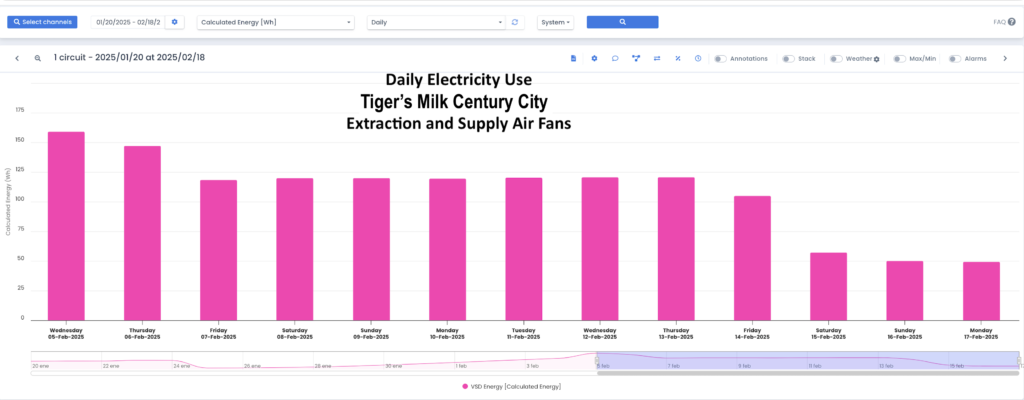
We didn’t gut the system. I installed one our variable speed drive panesl, and IoT SIM connected cloud scheduler, and demand-controlled sensors (smoke, heat, cooking activity triggers). Ramp up only when needed. Cut energy use by 80%. Turn off when the store is closed, doh.. Saved $15k yearly.
Quick install, no downtime, payback in under 12 months.
Belief turns obstacles into opportunities—even when the landlord’s laziness feels impossible to fix.
This is Part 2 of 5: Unmasking the extraction hood vampire. Next: the bulk air cooler beast chilling profits (literally).
Restaurant owners, tenants, GMs—what’s your “hidden meter horror” story? Drop it below or DM me. I’m giving away my full energy audit blueprint to spot these fast.
#KitchenEnergySavings #LandlordEfficiency #HospitalityProfits #SustainableOperations