
Saving $2.7 million per annum on Workcamp Air Conditioning. As a Workcamp operator in diverse climates, its critical that you can have access to world best energy management technology affordably, When HVAC controllers can adapt to different pattens of usage of the workers, meeting their demand for a cool home base after a hard day or night’s work, you can rely on Climate Controller to deliver. Leading to big wins in worker satisfaction, efficiency, sustainability, and the bottom line. I’ve long prioritized energy-efficient solutions to keep costs down while ensuring comfortable environments for staff and guests. While my focus is on kitchens and dining areas, the principles of smart climate control apply broadly to hospitality settings, including remote work camp worker accommodations. Today, I’m highlighting an inspiring project from Electroproducts: the installation of their innovative Climate Controller in the Chevron Wheatstone LNG 3,800 man workcamp rooms in hot spots like Onslow, Western Australia. This system delivered over 52% energy savings (averaging around 60% in optimized scenarios), proving that intelligent tech can balance comfort and efficiency even in extreme conditions. Let’s dive into the details.
The Challenge in Hot Climates
In regions like Onslow, where temperatures soar, workers endure grueling 12-hour shifts in demanding industries like LNG production, mining or remote construction. They crave a cool retreat in their temporary accommodations, but leaving AC units running 24/7 is a massive waste—especially with electricity costs exceeding 35 cents per kWh. Management faces a dilemma: Provide relief without skyrocketing bills. Traditional practices often mean constant operation, leading to unnecessary energy drain during vacancies, cleaning schedules, or off-shifts.
The Solution: Electroproducts’ Climate Controller
Electroproducts, a leader in developing and sourcing cutting-edge energy-saving technologies, stepped in with their Climate Controller. Installed across 3,800 rooms, this smart device is programmed to adapt dynamically to shift cycles, cleaning times, and occupancy. It’s not just a thermostat—it’s an intelligent system that anticipates needs:
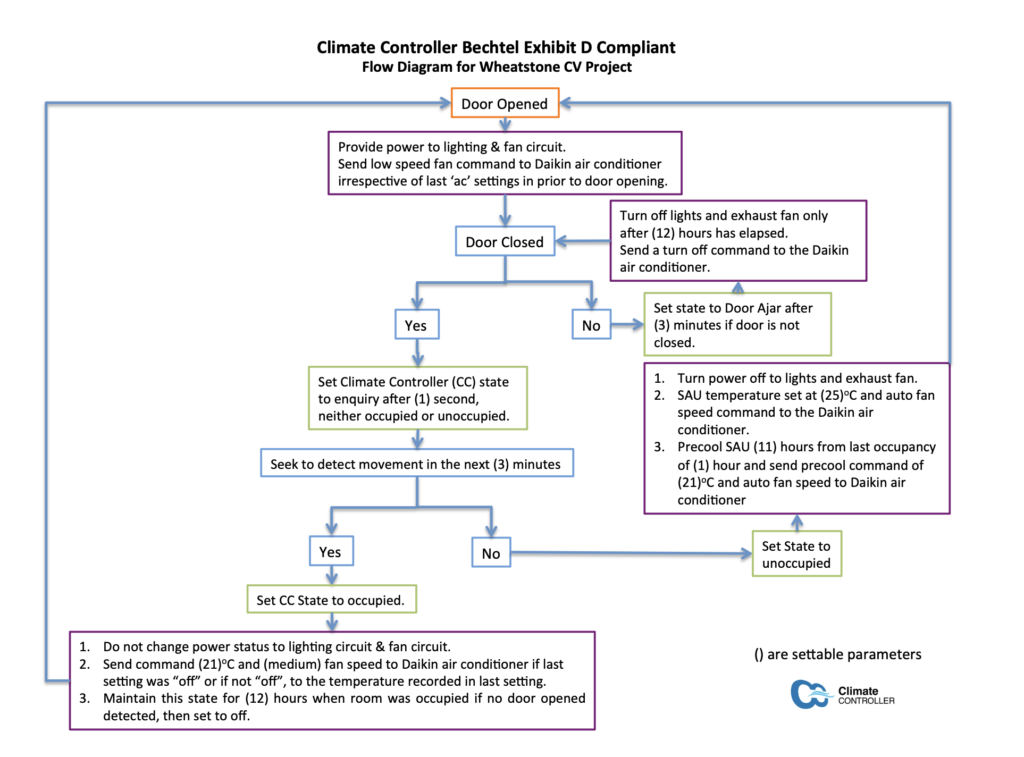
- Pre-Cooling for Shifts: The controller cools rooms in advance of workers’ return, ensuring a refreshing arrival without all-day runtime.
- User-Controlled Comfort– While occupied, workers can adjust temperatures to their preference.
- Energy-Saving Revert – Upon leaving, the system automatically shifts to a low-energy mode, maintaining basic ventilation while minimizing power use.
This adaptive approach slashed energy consumption by over 52% compared to constant AC operation, translating to a whopping $3 million in annual electricity savings. With a payback period under one year, it’s a no-brainer investment for large-scale operations.
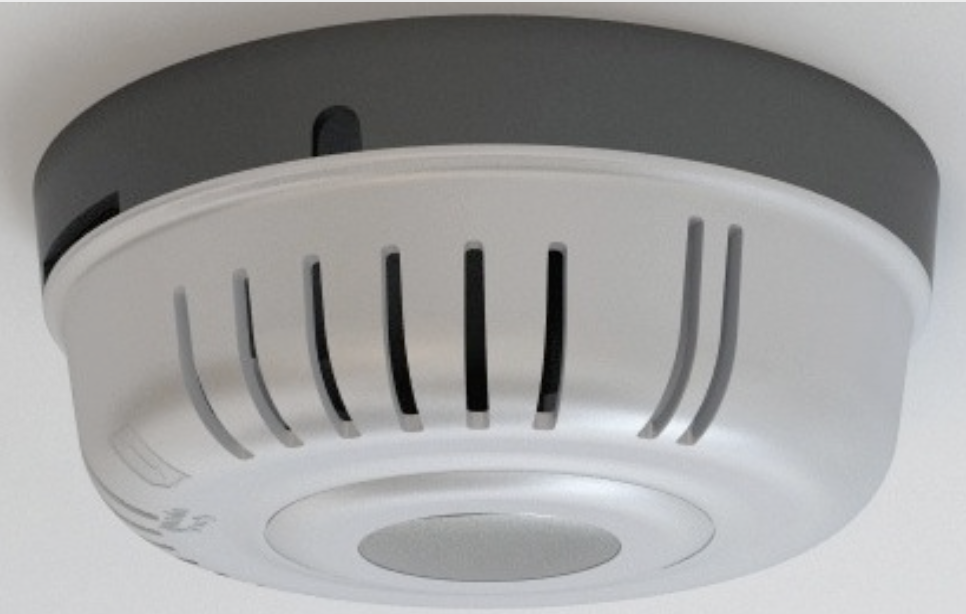
To visualize the system, here’s a diagram of a smart climate controller integrated into an AC setup for accommodation rooms.
And here’s another schematic showing the control logic and energy flow in such a system.
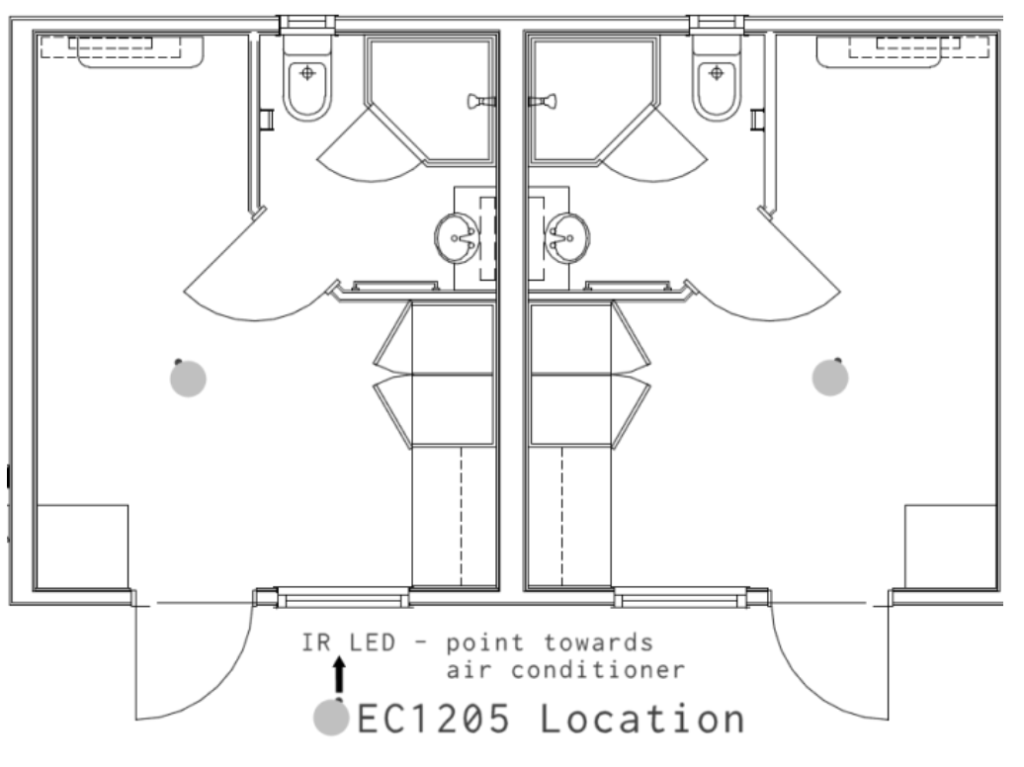
The Impact: Sustainability and Scalability
Beyond the numbers, this project highlights how innovation reduces environmental impact—lower energy use means a smaller carbon footprint. For businesses like mine in the restaurant industry, similar tech could optimize back-of-house cooling or even guest areas, adapting to peak hours and off-times. Electroproducts’ leadership in this space sets a benchmark for what’s possible.
If you’re in hospitality or managing large facilities, consider auditing your AC systems. Projects like this show that comfort and cost savings can coexist. What’s your biggest energy challenge? Share in the comments!