Part 4 of 5 Parts – The Gas Grill That Was Burning Cash (and Why We Finally Won)
By now you’ve seen the extraction hood vampire and the bulk air cooler beast—both hidden in landlord billing, both quietly draining tens of thousands. But the final piece that sealed the full $60k turnaround? The gas grill.
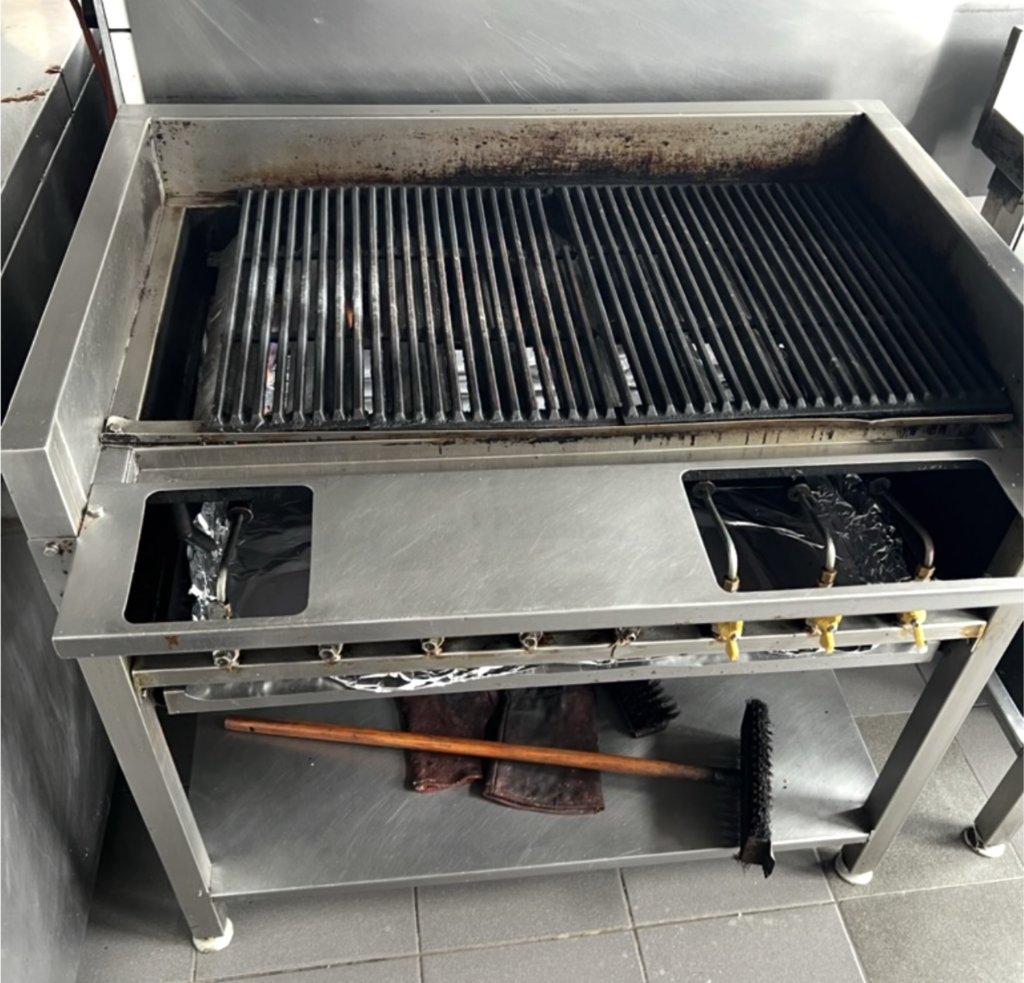
Day 15 (after cursing and smiling at the extraction hood discovery): We turned our attention to the kitchen heart—the grill. Whilst tenant-installed, bare-bones models: no timers, no zoning, no smart anything. Burners either full blast or idling high all day. Prep time, slow periods, clean-up—gas flowing non-stop from 10am to 10pm from operation of one, two and sometimes three burners. The tenant was losing $16k a year in excess LPG just because nobody had ever questioned the “it’s always been like this” setup.
Day 18: I stood in the kitchen during a quiet mid-afternoon shift. Watched flames licking empty grates. Asked the GM: “I have few questions, see that yellow flames, are they always that colour?”, his response was “Yeah”, and I asked “Can you turn these down or off when not in use?” Answer: “Not really—once they’re lit for service, they stay on till close.” The core reason is that the mild steel grill, like all mild steel grills take time to reach a steady heat, and the kitchen needs to be ready for an order. I felt that familiar mix: anger at the waste, excitement at the fix.
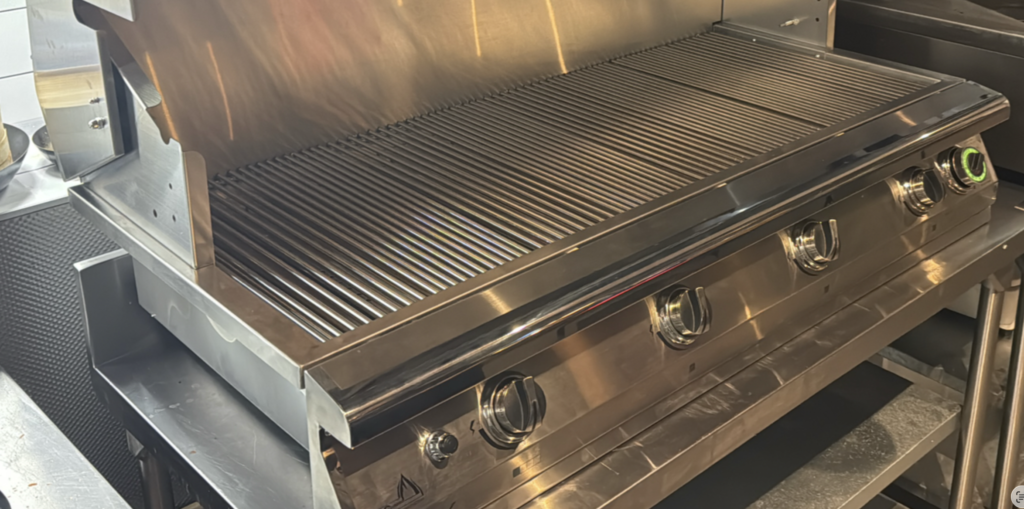
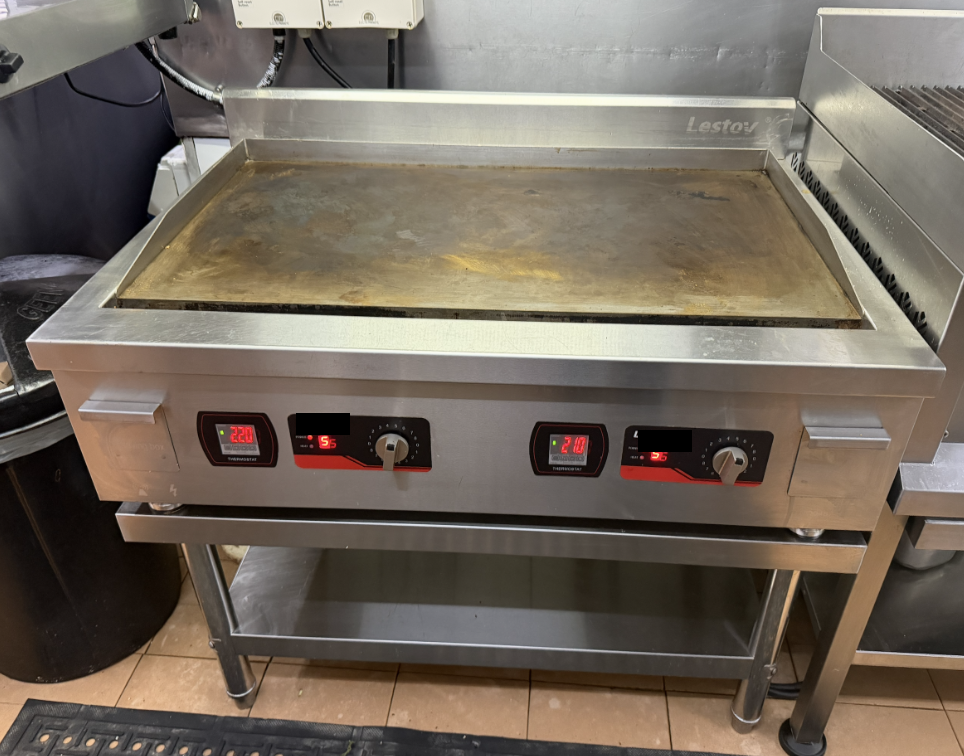
We didn’t just tweak—we revolutionized. Swapped the old gas guzzlers for modern stainless steel unit with high performance burners and automatic rundown shut-off timers (countdown to off after a set period of inactivity) and added an electric induction flat plate for all the low-heat tasks that used to tie up a full gas burner. Seamless swap during a slow day of the week—no downtime. Gas consumption dropped by 80%. A full $16k saved annually. Safer (no forgotten open flames), better grill surface temperature control, more temperature control precise, and ROI in a less than a year.
Day 30: Final review with the CFO. This time he smiled. The tenancy bills were still ugly, but the restaurant’s direct energy spend had plummeted, margins were up, and the chain was already planning the same audit across other sites. The landlord’s “lazy gear” wasn’t inevitable—it was an opportunity we turned into a competitive edge.
The ultimate lesson from the whole journey? These aren’t unavoidable tenancy costs. There can be leaks from outdated, uncontrolled, unmonitored landlord systems, and this only hurts the tenant. Audit holistically—hoods, air conditioners, grills—and you don’t just cut bills; you future-proof the business for scale, sustainability, and real profitability.
Belief turns obstacles into opportunities—even when the flame feels like it’s burning you.
This wraps Part 4 of 5: The gas grill game-changer that sealed the $60k win. Tomorrow: The I share my secret 5-step energy analysis process that exposed the full $60k win.
If this series is landing for you, what’s one energy leak you’re ready to plug right now? Drop your biggest win, worst woe, or “I can’t believe this is happening in my kitchen” story in the comments—or DM me. I’m giving away my full energy audit blueprint to help you start your own turnaround.
Thank you for following along. Let’s keep turning waste into wealth.
#KitchenEnergySavings #LandlordEfficiency #HospitalityProfits #SustainableOperations