
In the fast-paced world of casual dining restaurants, where margins are tight and operational costs can make or break profitability, energy bills often hide in plain sight as a silent profit killer. Did you know that up to 60% of a typical restaurant’s energy consumption is wasted? This inefficiency not only drains resources but also impacts the bottom line and the environment.
Enter Tiger’s Milk, a vibrant South African restaurant chain that’s turning the tide with innovative energy-saving measures. But before diving into their impressive achievements, let’s take a moment to understand what makes Tiger’s Milk special and who stands behind this dynamic brand.

About Tiger’s Milk
Tiger’s Milk is more than just a restaurant—it’s a lifestyle destination epitomizing “dude food” made good, with a focus on handcrafted goodness. The concept revolves around badass food paired with an unmistakable vibe for an unedited crowd, offering plates of lovingly created chow and an exceptionally premium watering hole. Menu highlights include elevated takes on classics like pizzas, grills, and burgers, all prepared with fresh, high-quality ingredients. The atmosphere is casual yet energetic, blending a laid-back “home away from home” feel with sophisticated touches, making it perfect for good times with friends or family. With over 28 locations across South Africa, including hotspots in Cape Town, Johannesburg, Durban, and the newly opened Ballito site, Tiger’s Milk emphasizes sustainability through the use of sustainable ingredients and eco-friendly practices, aligning with growing consumer demands for responsible dining.
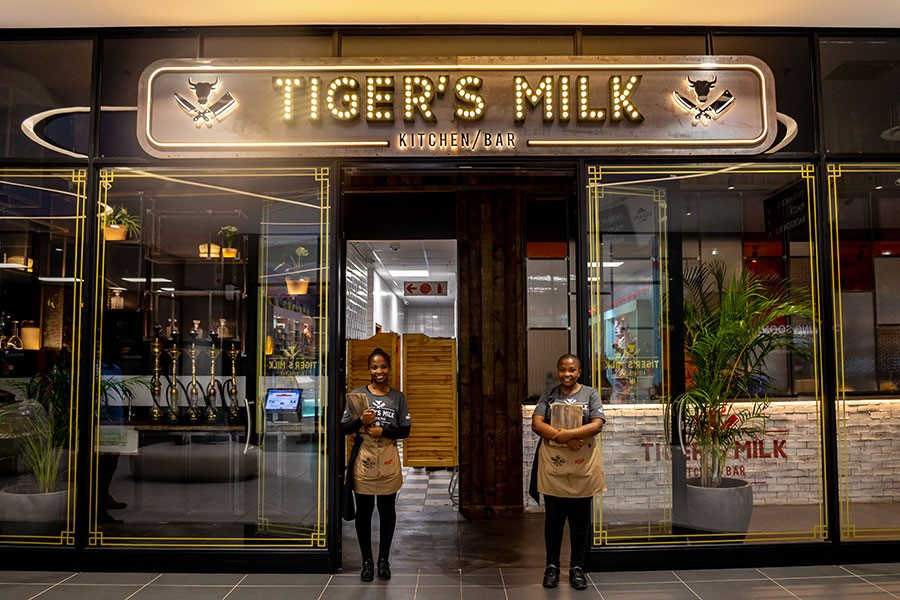
Owned by Life & Brand Portfolio
Tiger’s Milk is part of the Life & Brand Portfolio, a dynamic casual dining group based in South Africa that curates a collection of feel-good experiences. The company encompasses casual dining brands and local craft products, rooted in distinctive design, prime locations, and unique architecture. Their mission is to provide trusted locales that feel like a “home away from home,” ranging from everyday casual spots to more sophisticated dining and Food & Beverage Services offerings. Life & Brand Portfolio prides itself on authentic food and beverage experiences using sustainable ingredients, fostering sustainability and community in the Food & Beverage Services (F&B) sector.
The portfolio includes a diverse array of brands, each with its own flair:
– Tiger’s Milk: The flagship for casual, vibe-driven dining with a focus on pizzas, grills, and burgers.
– La Parada: Spanish-inspired tapas and vibrant social dining.
– Harbour House: Premium seafood restaurants with stunning waterfront views.
– Grand Africa: Upscale café and restaurant experiences in iconic locations.
– The Lookout Deck: Casual seaside dining with fresh seafood and panoramic ocean views.
– Old Town Italy: Authentic Italian markets and eateries emphasizing artisanal products.
– Live Bait: Coastal seafood spots known for fresh catches and relaxed vibes.
– Lucky Fish & Chips: Quick-service fish and chips outlets with a focus on quality and affordability.
This diverse portfolio allows Life & Brand Portfolio to cater to a wide range of tastes and occasions, all while maintaining a commitment to quality and sustainability.
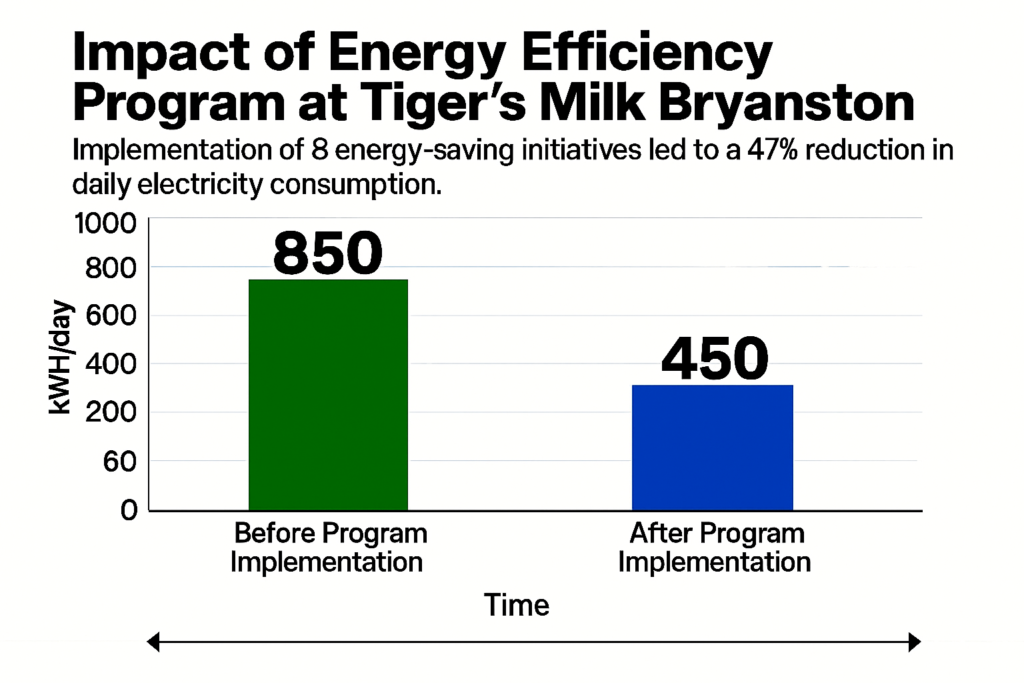
By implementing eight key initiatives, Tiger’s Milk has achieved a staggering 47% reduction in electricity usage—from a baseline of 850 kWh per day down to just 450 kWh per day. This translates to an impressive $35,000 in annual savings, all while boosting sustainability.
Here’s a breakdown of the eight initiatives that made this possible:
- High-Efficiency Gas Grill: Upgrading to models that use less energy without compromising cooking performance.
- Induction Stoves: Two (2) 3.5kW induction stoves provide precise, fast and efficient heating that reduces energy loss compared to traditional electric or gas stoves.
- Induction Deep Fryers: Faster heating and better temperature control mean less electricity wasted on prolonged operation.
- Radiant Hot Passes on One-Shot Rundown Timers: These keep food warm efficiently and automatically shut off after a set time to prevent unnecessary energy use.
- One-Shot Rundown Timers on Salamander & Bun Toasters: These one-shot rundown timers allow the Salamander and Bun Toaster to run through a full cycle, before automatically turning off with some to spare then turn off, and by the simple press of a button to prevent unnecessary energy use.
- Extraction on Demand for the Kitchen Extraction & Supply Air Fan and Pizza Oven: Optimized for better airflow with reduced power consumption this is fine-tuned for efficiency in removing heat and odors based on a smoke sensor mounted in the extraction canopy.
- Smart Thermostats: Automated temperature controls that adjust based on the season with auto turn off schedule and extra time option, minimizing HVAC waste.
- Cold Room Monitoring System: Automated temperature monitoring of the Walk-in Cold Room and Freezer rooms with high alarm setpoints and historical temperature interval of 1 minute for record.
These changes didn’t just slash the energy bill; they also enhanced kitchen operations, reduced maintenance costs, and aligned with Life & Brand Portfolio’s overarching focus on sustainability. For restaurant owners facing similar challenges, this case study from Tiger’s Milk proves that targeted investments in energy efficiency can yield quick ROI and long-term benefits.
If you’re in the Food & Beverage Services (F&B), consider auditing your energy use today—small tweaks could lead to big savings. What’s one energy-saving tip you’ve implemented in your operations? Share in the comments!